
When talking about conflict zones most places will usually talk about areas of armed conflict, however it can also include areas of disease epidemics, government collapse, or natural disaster such as places struck by tsunamis or hurricanes. However, for this post we will be talking about zones of armed conflict. Growing up in a conflict zone can be a huge risk for a child’s wellbeing and development, as it can possibly lead to separation from family, sexual trafficking and exploitation (1), as well as having physiological consequences such as anger, isolation and fear (2). Similarly, children growing up in areas of armed conflict will be faced with a much higher risk of malnutrition (3), as there is usually a decreased level of food and nutritional security in the area. Growing up in a lower- or middle-income area of conflict means there are more risk factors for a child’s development, and less protective ones. UNICEF have estimated that there are roughly 1 billion children living worldwide in an armed conflict zones, and that the majority of these areas are lower- and middle-income countries (4). Clearly, battling the risk factors to the development of children growing up within these areas should be a huge priority, and this post will discuss how this is being done, in conjunction with the Sustainable Development Goals.
Zero Hunger
The International Food Policy Research Institute estimates that around 112 million malnourished children are living in areas of conflict (5). Targeting hunger therefore is a huge area that could help to improve food security and nutrition in these areas.


A Micronutrient Powder Distribution Program in Bhutan, a lower-middle income country, aimed to reduce the risk of stunting by distributing single-dose sachet packets comprising of multiple minerals and vitamins that children (aged between 5 and 59 months) were thought to not be receiving daily (6). The children taking part in the intervention showed significant decreases in prevalence of stunting after the program. However, there was no control group measured, meaning that it cannot be known whether the program itself was the reason for the decrease. Nevertheless, the intervention was seen positively from the mothers of the children, as they reported seeing positive effects on health and energy. This kind of program that distributes micro-nutrients that are easy to integrate into the child’s home food, proves to be a cheaper and easier method of targeting hunger and malnutrition, and so may be more sustainable.
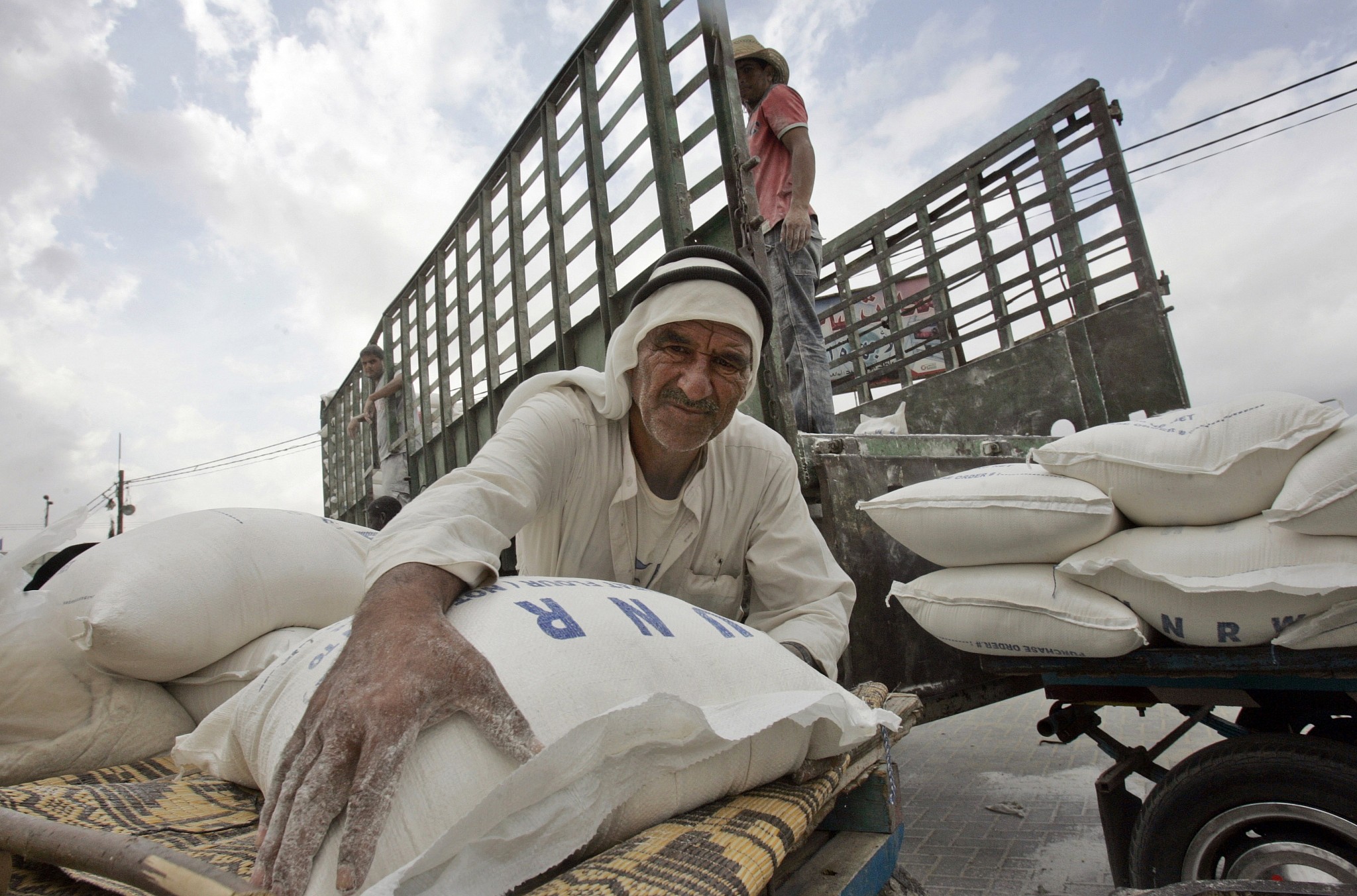
In Palestine, also a lower-middle income country, Food Assistance Programs have been trialed (7).These programs distribute food rations to children aged 6 to 59 months old in war zones, and found that after one year the prevalence of stunting, wasting and children who were underweight had lowered in comparison to children who had not been part of the program. Whilst the program found more significant results, it is much more expensive to implement.
Good Health and Wellbeing
There has been much evidence suggesting that children who grow up surrounded by war and conflict are more likely to have psychological problems later in life (8). This suggests that a focus on the psychosocial and mental development of these children is needed.
In Uganda, a lower income country in conflict, a program used Child-Centered Spaces (CCSs) to tackle the education, protection and psychosocial wellbeing of children. Children aged 3 to 6 years old that had participated in the CCSs reported being more likely to be safe both at home and within the community, had more positive social interactions both with adults and their peers, and learnt life skills that children not visiting CCSs were found not to have. Overall, it was reported that these children had a higher level of psychosocial wellbeing after visiting CCSs than their peers that did not. CCSs are not recommended as a standalone, as they have been found to work best when coupled with other interventions and programs, however they are a good foundation for bettering the health and wellbeing of children within conflict zones.

A trial in Bosnia, another upper-middle income country, looked at children aged 5 and 6 who were victims of war (9). The children and mothers attended short-term group-based psychosocial treatment, which focused on coping with problems and promoted a good, healthy mother-child relationship and interactions. The children within the treatment was compared to those who only had medical care, and it was found that the treatment had a modest positive effect upon the children’s weight gain, mental health and psychosocial functioning. The treatment is relatively simple and inexpensive to implement, as the leaders of the groups were 4 pre-school teachers and 1 medical student. One problem with this treatment is that whilst it may be low cost to do, it may be costly for the mothers to attend. It also brings up the problem of stigma, and how mothers may be less likely to attend such treatment as it may be seen as not very important during a conflict such as war.
In summary…
Overall, it is quite clear that the development and wellbeing of children growing up in conflict zones, especially within lower- and middle- income countries is extremely important, and that ways to benefit it are still developing. The early years of a child’s life sets out the foundations for their future, and so it is crucial to find programs and interventions that help these children, as they have so many risk factors facing them. Implementing Sustainable Development Goals into areas of conflict will not only help a sustainable future for the children, it will also help their growth and development.
References
1. van Leer, B. (2005). Foundation’s response to the tsunami. This publication has been a joint effort of the Bernard van Leer Foundation and the International Catholic Child Bureau. Our special thanks go to Margaret McCallin, our guest editor, without whom this edition would not have been possible.
2. Constandinides, D., Kamens, S., Marshoud, B., & Flefel, F. (2011). Research in ongoing conflict zones: Effects of a school-based intervention for Palestinian children. Peace and Conflict: Journal of Peace Psychology, 17(3), 270-302.
3. Carroll, G. J., Lama, S. D., Martinez-Brockman, J. L., & Pérez-Escamilla, R. (2017). Evaluation of nutrition interventions in children in conflict zones: a narrative review. Advances in Nutrition, 8(5), 770-779.
4. UNICEF., United Nations. Office of the Special Representative of the Secretary-General for Children, & Armed Conflict. (2009). Machel study 10-year strategic review: Children and conflict in a changing world. UNICEF.
5. Loewenberg, S. (2015). Conflicts worsen global hunger crisis. The Lancet, 386(10005), 1719-1721.
6. Bilukha, O., Howard, C., Wilkinson, C., Bamrah, S., & Husain, F. (2011). Effects of multimicronutrient home fortification on anemia and growth in Bhutanese refugee children. Food and nutrition bulletin, 32(3), 264-276.
7. Abdeen, Z., Greenough, P. G., Chandran, A., & Qasrawi, R. (2007). Assessment of the nutritional status of preschool-age children during the second Intifada in Palestine. Food and nutrition bulletin, 28(3), 274-282.
8. Cairns, E., & Dawes, A. (1996). Children: Ethnic and Political Violence‐a Commentary. Child Development, 67(1), 129-139.
9. Dybdahl, R. (2001). Children and mothers in war: an outcome study of a psychosocial intervention program. Child development, 72(4), 1214-1230.
 Yasmin's Blog
I really enjoyed reading your blog and I found it extremely interesting and thought provoking. The definition of conflict and the way you described it was useful, and helped me to map out various countries that could be associated with this terminology. Whilst it gave me a broad understanding, a couple of examples could have been useful. Examples include research by Wig and Tollefsen (2016), who discussed implications of civil conflict in Africa and the accumulative effects as a result. However, this is not necessary as I think you already did a good job of defining. The SDG goals and interventions were explained really well together, I also liked the way you evaluated them as you went along. I would like to know a little bit more about Child-Centred Spaces (CCS) and how they work in Uganda to tackle the issues the SDG. Mutambo, Shumba and Hlongwana (2019) discussed child-centred spaces for healthcare purposes, and found that they use techniques such as play-therapy. Overall, I really enjoyed your blog. The points you made were extremely relevant and the way you matched specific interventions to SDG was helpful. Whilst you did not go into too much depth with regards to the CCS, it gives the perfect opportunity for the next blog.
LikeLiked by 1 person
You’re blog was really informative and easy to read. I was interested to read that conflict areas also include areas of disease epidemics, government collapse, and natural disaster, i would like to look more in to how children are effected in those areas. However I appreciate that you specified conflict areas, it is nice to focus on one specific issue as it makes it easier to see how the interventions can be applied.
I was curious about how the specific issues assisted with economy and trade in conflict areas would impact availability to food for families. I feel like these kind of practical issues would have to be considered when implementing nutritional programmes.
I like how you addressed the issues of stigma for mothers and the lack of prioritising wellbeing in areas where war is on the forefront of peoples mind. It would be interesting to explore this more and see how those problems could be tackled.
I also liked how you critiqued the specific methodologies of the studies you mentioned.
Overall i really liked your blog and the points you made.
LikeLike